
Exciting developments are happening with our kennel, including a total website redesign!Only the "About" and "The Breed" pages are live now. Please check back periodically as we update our website.
Our kennel welcomes and supports BIPOC and LGBTQ+.
About
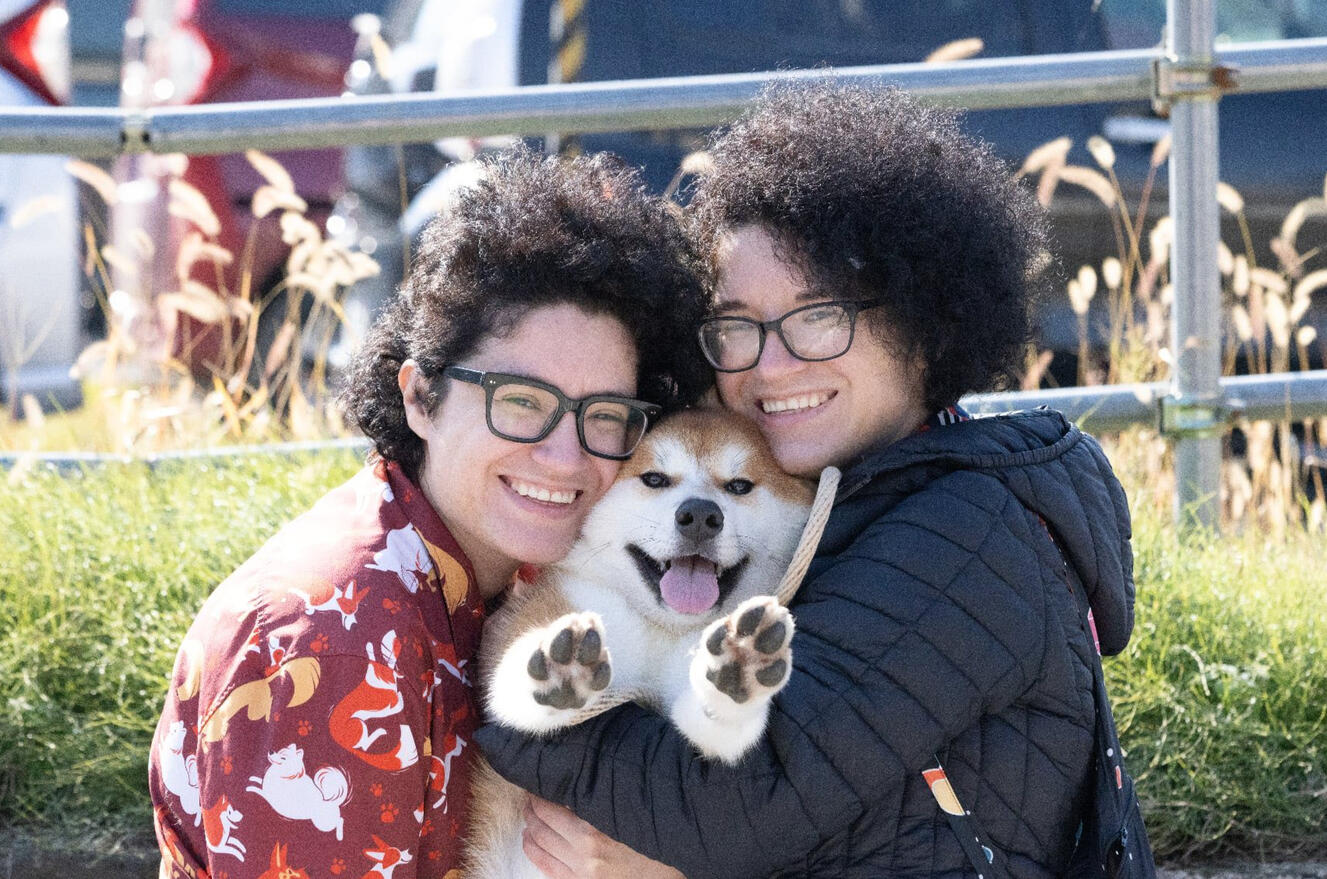
We are Nao and Rio, two identical twin sisters who are passionate about Japanese Akitainu. We are located in Central Ohio.Futago Kennels was established officially in 2020, though we have been breed enthusiasts for longer. In 2016, we brought home our first Japanese Akitainu, Kubo, a brindle male. We realized that we wanted to do our part in order to protect the future of the breed. After showing and trialing at many UKC and AKC shows and attending AKIHO shows (in both the United States and Japan), we were inspired and committed to following our dream and began our preservation journey.We are fortunate to have amazingly patient and knowledgable mentors who have taught us about the breed, the Japanese culture surrounding the breed, and much more. Without them, we wouldn't be here today. And we continue to keep an open mind to learn and evolve.Nao is currently a full time toy designer and illustrator, with experience as a character designer for studios like DreamWorks TV, Nickelodeon, Hasbro, and much more.Rio is a professional and traditional toy sculpture, with experience in producing sculptures for videos games and productions. Now, they focus on designing and sculpting their own designer toys.We do try their best to assist the Japanese Akitainu breed clubs in any way. From volunteering our time, helping in committees, and using our artwork to help raise money for dogs in need, we are always happy to give a helping hand when needed. We have a strong believe that it takes a village to ensure this important breed continues to prosper.
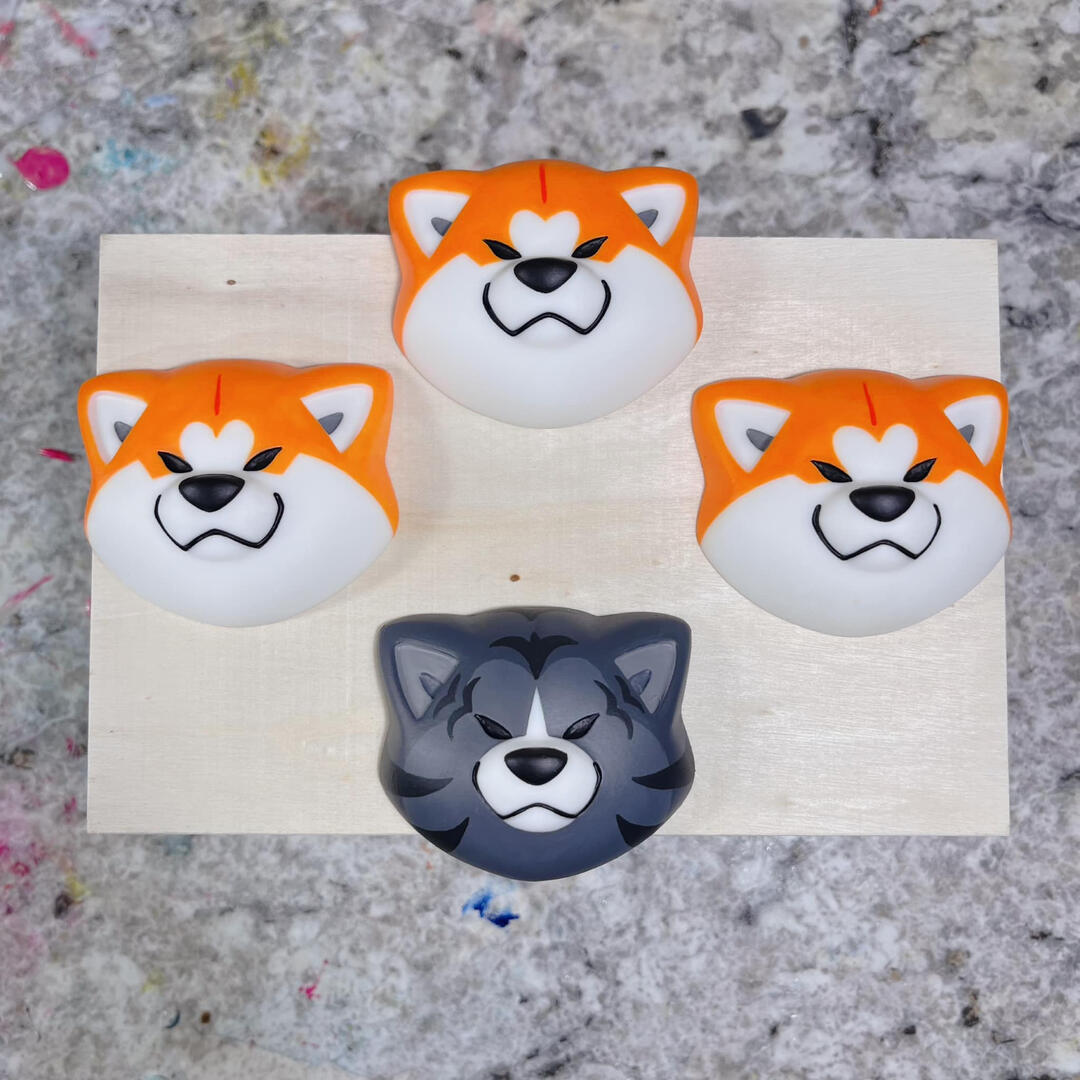
Story Behind the Kennel Name
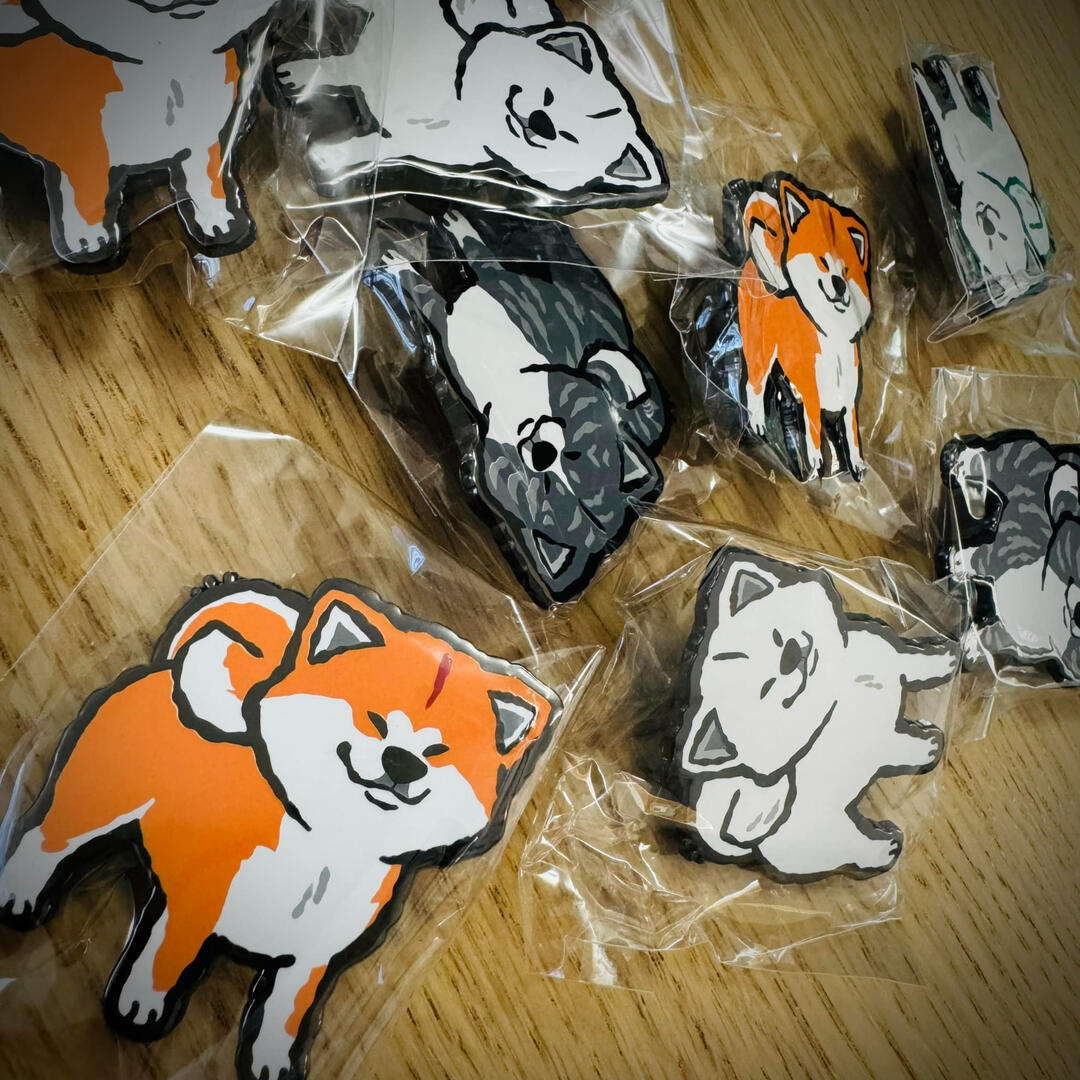
Futago (双子) is Japanese for “twins”, which was the perfect name for our kennel and our joint effort in preserving this breed. In addition to being identical twin sisters, we are nerds at heart, and wanted to pay homage to the Japanese animated series that got us into the breed when we were younger. Futago Pass is a famous landmark in the “Ginga” series by Yoshihiro Takahashi. In 2020, we officially registered Futago as an AKIHO kennel.
Our Goals
Our kennel takes health and temperament very seriously, wanting to make sure that any puppy produced has the best possible chance at a happy and healthy life. We ensure all breeding pairs are OFA health tested and have stable temperaments. While we show AKC and UKC, our main focus is showing at AKIHO shows.Most importantly, our goal is to produce dogs that will honor Japan.Honesty, kindness, and collaboration is very imporant to us. We do our best to donate our time and resources to help clubs, dogs in need, and anything in between. Working with others is what keeps breeds alive and thriving, as well as educating and talking to newcomers who are curious about the Akitainu.We believe that there are no stupid questions and invite anyone to ask us any questions about the breed and program, as well as figuring out if the breed is right for them. In addition, we are more than happy to recommend other ethical breeders who may be a better fit for your own needs. Any breeder should make the biggest effort to welcome newcomers to the breed who have a genuine love for the Akitainu.We primarily breed with the AKIHO standard in mind. AKIHO was established in 1927 in Odate, Japan, in order to restore and preserve this breed for years to come. All of our dogs are AKIHO registered and we spend a lot of our free time and resources studying the standard, the Japanese language, and flying to Japan in order to absorb as much as we can about the breed. Although we are a new kennel, we hope to produce dogs that we can show back in the country of origin, Japan.We understand that even with all the research in the world, you may have questions about the breed after you take home your puppy. We are always here to answer any question, big or small. We consider any puppy owner a member of our extended family.Futago Kennels is a proud member of the AKC parent club, JACA.
History
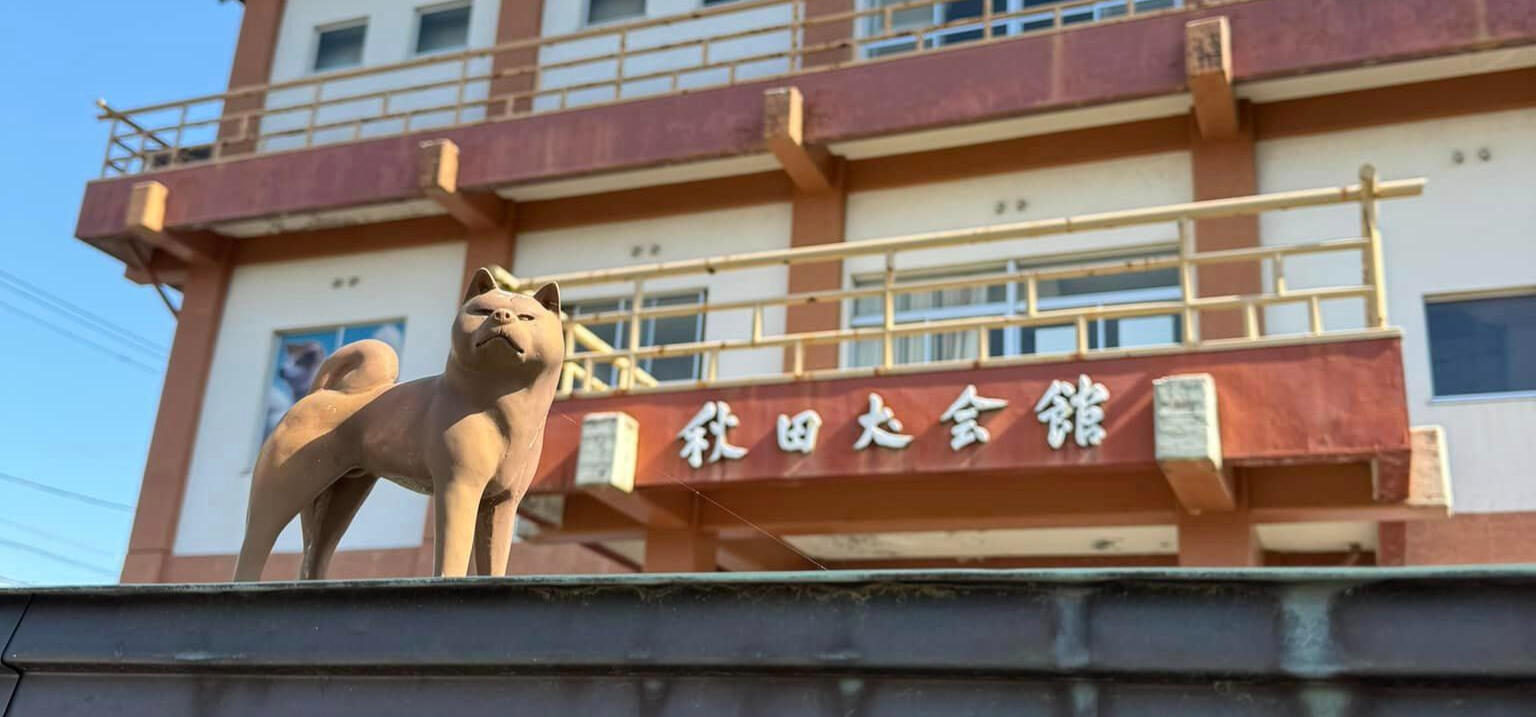
The Japanese Akitainu is the largest of the Nihonken (native Japanese dog breeds) in Japan. In 1927, the Akitainu Hozonkai (AKIHO) was established in Odate City, Akita Prefecture in order to restore, preserve, protect and propgate the breed. The Japanese Akitainu Club of America (JACA) has an excellent deep dive into the history of our beloved breed. Please click HERE in order to read!
Life with a jAPANESE AKITAINU
While there are Japanese Akitainu with different types of temperaments and energy levels, typically, the Japanese Akitainu is a proud dog who cares deeply about their people. Energy level is relatively low, perfectly fine hanging out at home, but always ready for an adventure or training session. We find the breed to be eager to learn, as long as the handler keeps training fun and not too repetitive. They are not afraid to tell you that they aren't feeling it today orthey're bored with the session. They will not settle for kibble or low value treats for their "payment", so adding variety will ensure both of you have fun while keeping your dog interested.These dogs love their people and will often follow them at home, as well as give check ins. They are not clingy by nature but are still affectionate to the people they trust. They can be aloof to strangers but should not fearful or aggressive.The breed isn't noisy and will not bark without reason. While they can be excellent watch dogs, they are not suitable as guard dogs.This is not a breed for you if you want a dog that is social to other dogs for play dates and get togethers. Japanese Akitainu should exhibit neutrality around other dogs, but if a strange dog approaches too closely, same sex dog aggression/dog aggression is not an uncommon trait in the breed. If you are bringing a dog of this breed to a household where another dog already resides, in order to set up for success, it is recommended that the sex of the Japanese Akitainu is the opposite of your current house dog.Previously used as a hunting breed, these dogs can see small animals as prey. However, our Japanese Akitainu have been raised with a cat (currently 18 years old) and has never demonstrated any prey drive towards him. In addition, we are foster newborn and young kittens for a local rescues. Puppies from our first litter are also living peacefully with their cat roommates.As a triple coated breed, expect to make good friends with your vacuum cleaner. Japanese Akitainu shed quite a lot and blow their coat once or twice a year, sometimes even more. That being said, these dogs are relatively clean and easy to house train.
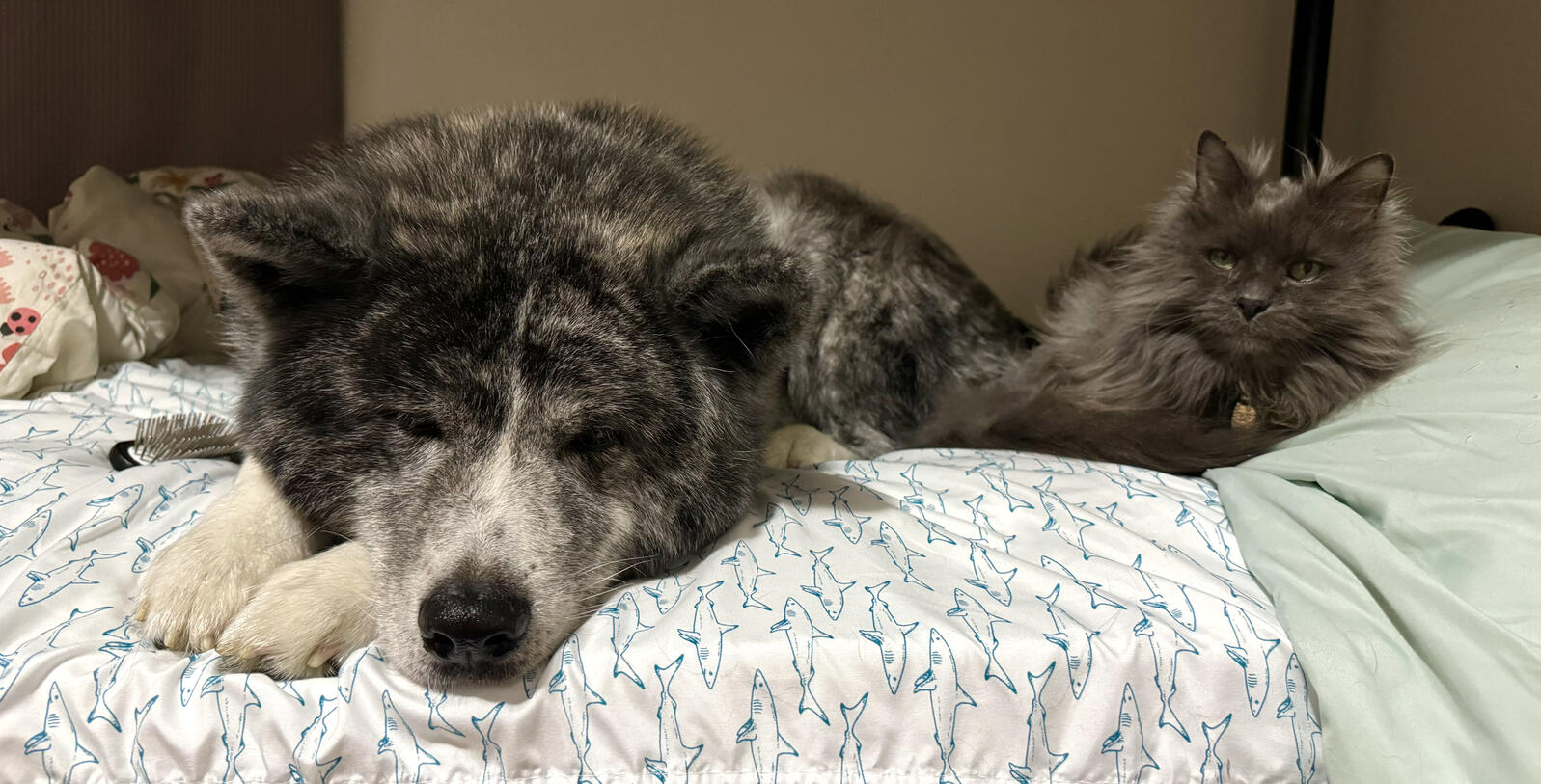
Kubo (8 years old brindle Japanese Akitainu) and Lucas (18 years old cat supreme overlord)
If you want to learn more about the breed, there is a Dogumentary interview with Steven Takamatsu, president of AKIHO North America; you can watch the video HERE.
Two Breeds?
In 2020, the Japanese Akitainu and the (American) Akita was split in the American Kennel Club (AKC) when the Japanese Akitainu entered the Foundation Stock Service program. The breed moved up to Miscellaneous Class in 2023 and is expected to gain full recognition in the near future. This progress in the US has made it much easier to explain to the general public that these two breeds are different from one another.To briefly explain the physical differences in these two breeds, one should know that JA only come in three colors (red, brindle, and white) and have no black masks, while the AA can come in a larger variety of colors and black masks are acceptable. AA are larger in both size and weight compared to the JA.
Important Resources
AKIHO official website
Japanese Akitainu Club of America
Puppies
Please note that the Puppies page is still under construction but we hope this current version will give you some insight!Since we are a new preservation breeding program, we do not have litters often. As our program grows, we hope to have more litters but at this time, we do not expect any puppies for anytime soon.Each breeding pair is made with temperament and health in time, with our ultimate goal being to produce great companions. We carefully select each pair in order to align with our values and to give puppy owners a puppy that is stable and a joy to live with.All litters are raised with a combination of Puppy Culture, Avidog, and ENS, with an emphasis on appropriate socialization to give each puppy a solid foundation.
Previous Litters
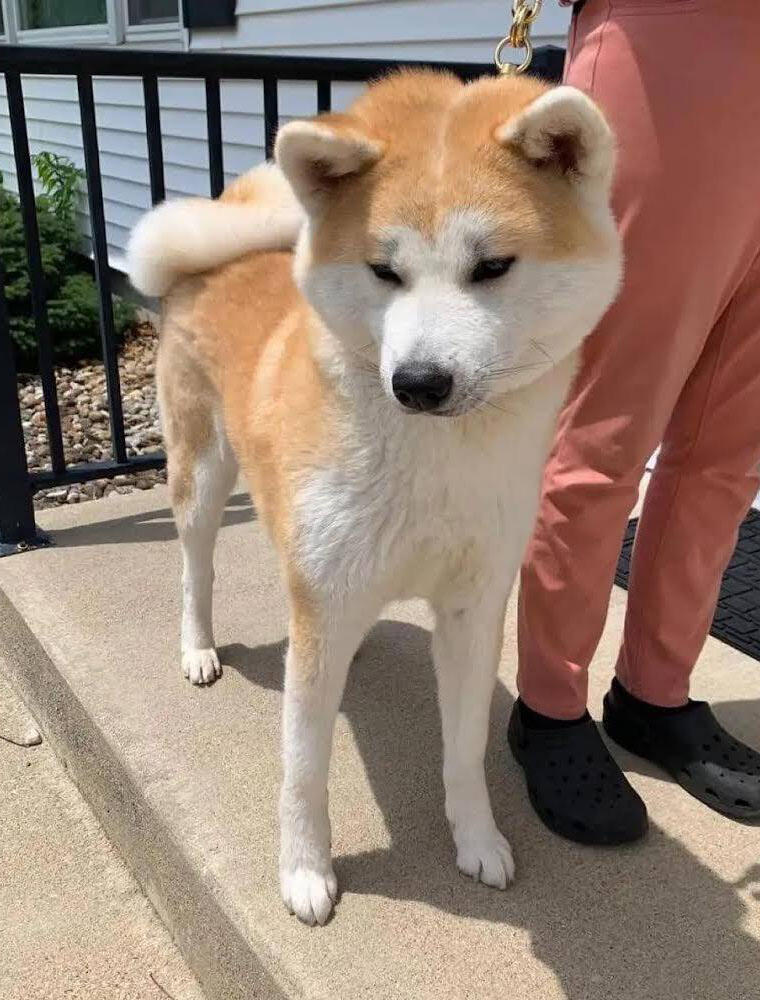
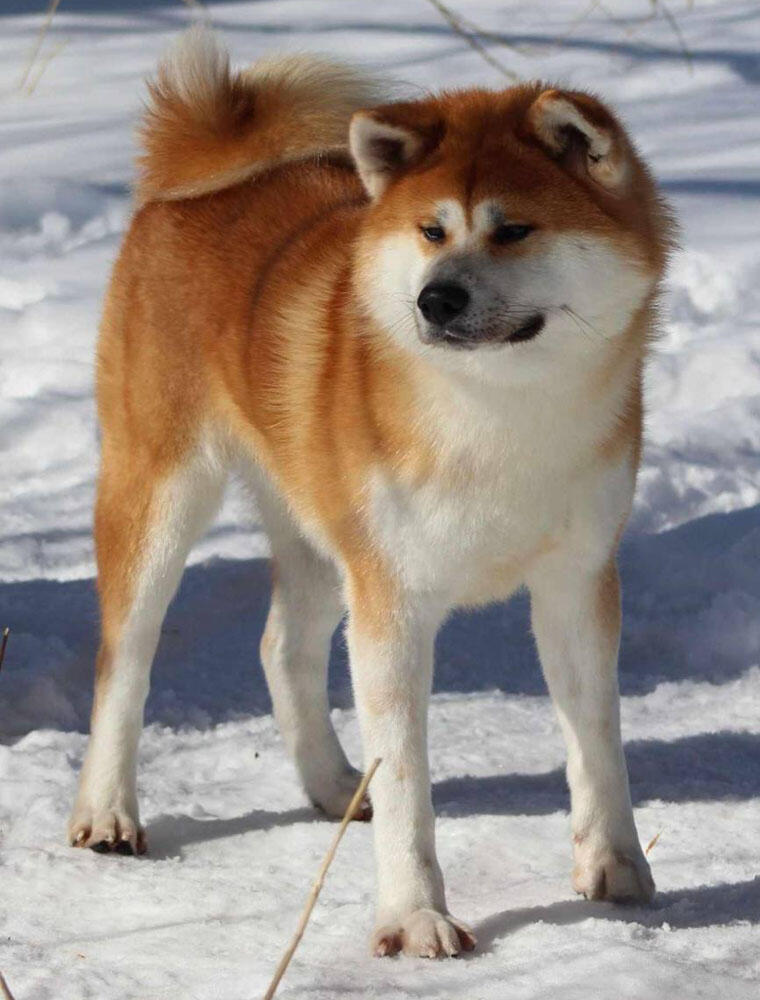
We welcomed 2 males and 2 females into the world on September 9th, 2024. This litter was sired by Hasshuu Arashi Go Tochiotomesou, Who belongs to Kita No Arashi in Quebec, Canada. Arashi is an import from Japan! We are happy he threw his beautiful color on all the pups. Nezuko stamped her wonderful temperament as well!All puppies have seen been placed into wonderful homes.
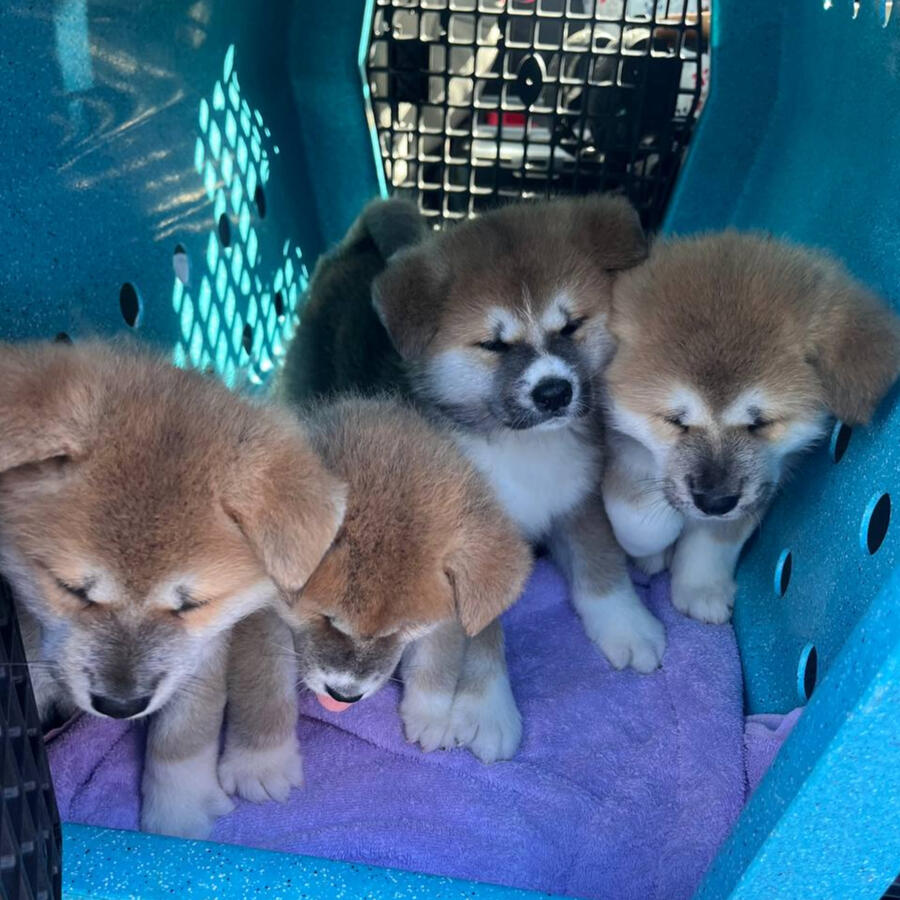
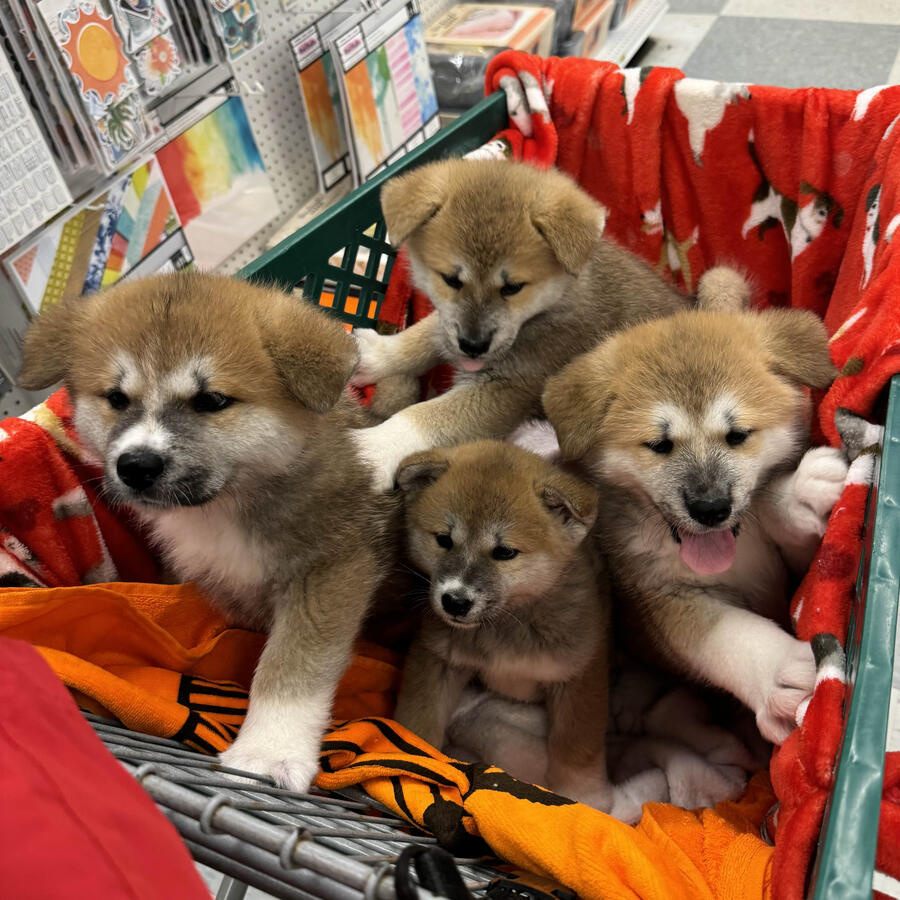
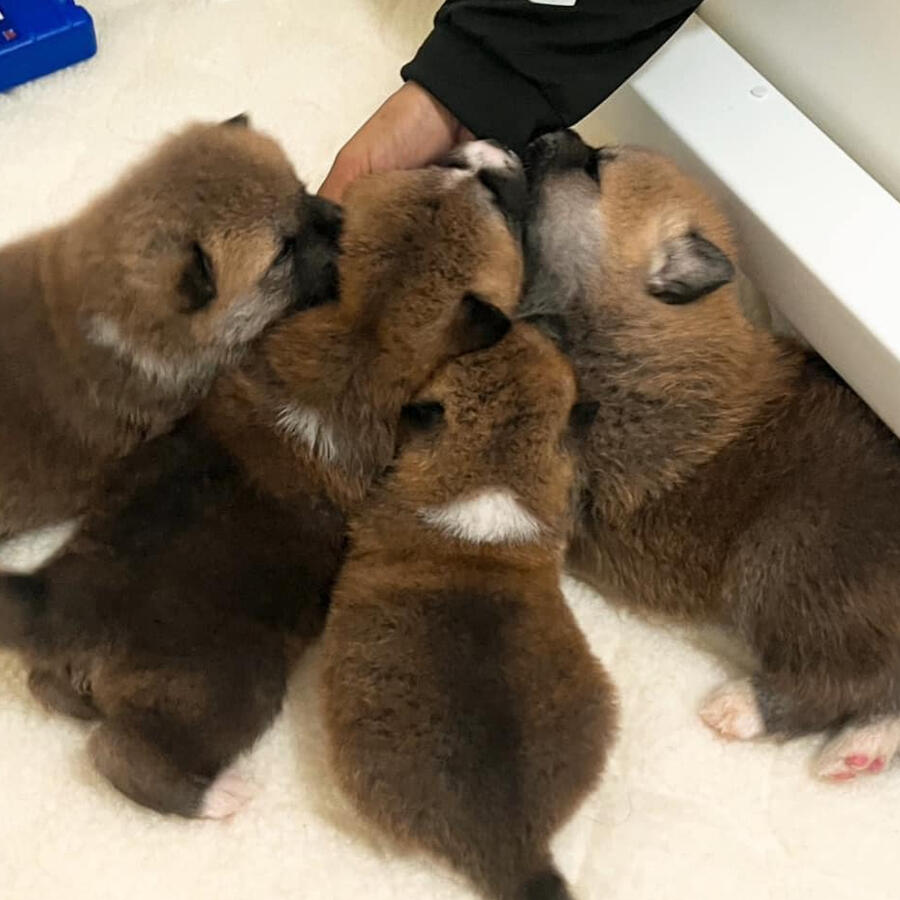
Interested in Future Litters?
We invite you to continue reading if you are interested in a puppy from any future litter. Please read this page in its entirety in order to get a better understanding on how we raise and place our puppies.
Before Inquiring about a puppy
We do not have puppies available at this time.
We are a kennel focused on producing red puppies. We are happy to recommend excellent kennels who breed brindle or white!
We do not place puppies in pet homes that own both a male and female dog that reside in the same home. Same sex aggression is typical in this breed. If you already own a dog, we will only place a puppy of the opposite sex of the current dog. For example, if a pet home owns a male dog, we will place a female puppy with that family.
We strongly do not recommend dog parks for socialization, play, or exercise for this breed.
At a glance
Puppies are $3,500 USD. If chosen as a puppy candidate, there will be a $500 deposit due once a litter is born. This deposit is fully refundable if a puppy is not matched to you. This is not a first come, first serve system. Placing puppies in homes where they are best suited for so they can thrive is very important to us.
Puppies are raised with AviDog and ENS. Nao and Rio, the twins behind Futago, will both be raising the litter together. We thrive on socializing puppies to a wide list of musts such as children, people of all walks of life, well mannered dogs, long car rides, crate training, and more! Desensitization is also important to us when raising puppies. Puppies will be accustomed to different sounds such as vacuuming, sudden loud noises and objects such as fireworks or dropped items, music, new people entering and leaving our house. etc They will also take frequent safe outings so they can observe the surroundings around them. Our goal is to raise well rounded pups that are ready for the real world.
Volhard Puppy Aptitude Testing will be given to each puppy from outside licensed trainers.
All puppies are sold as "pets" on limited AKC and UKC pedigrees with a Spay/Neuter contract in place.
Interested applicants will be given a questionnaire in order for us to get to know you more and get an idea of your goals with your puppy.
Applicants do not get to pick their own puppy. All puppies are evaluated at 6-8 weeks and will be matched to the most appropriate applicant. This ensures that the puppy will have a greater chance of success with their new family.
Puppies go home at 10-12 weeks of age or a bit early if family needs to fly home with their new puppy.
A contract must be read, agreed to, and signed before picking up your puppy.
All puppies will be sent home with a puppy package, which includes a bag of the current food they are on, paperwork, toys, appropriate training treats, chews, and more.
In the event you can no longer care for the dog, it must be returned to us and cannot be rehomed or sold without our prior consent. If rehomed, the new owner must go through the same application progress with us and keep in touch with us.
Most importantly, we will be here to support you and your new puppy every step of the way! This includes answering any questions from puppyhood to adulthood. We genuinely want to provide assistance, celebrate your ups and downs, and be there whenever you need us. Please keep in touch! You are just as important to us as your puppy.
Frequently Asked Questions
Are there any puppies available?
Unfortunately, no. At this time, all puppies are spoken for, but you are welcome to inquire about future litters.How often do you have litters?
We are a small preservation kennel who do not have litters frequently. At this time, we don’t expect any litters until 2027 or so. We are happy to recommend other breeders in the meantime!Do you have adults available?
Since we chose to have a small program and want to ensure each of our dogs get our undivided attention, we may have retired Japanese Akitainu available. Feel free to message us to inquire! Adults are fully trained and come with a spay and neuter contract.
Our Dogs
Our program is young but we invite you to look at the main attraction of our kennel.. the dogs! We hope to continue to add dogs in order to grow our lines.
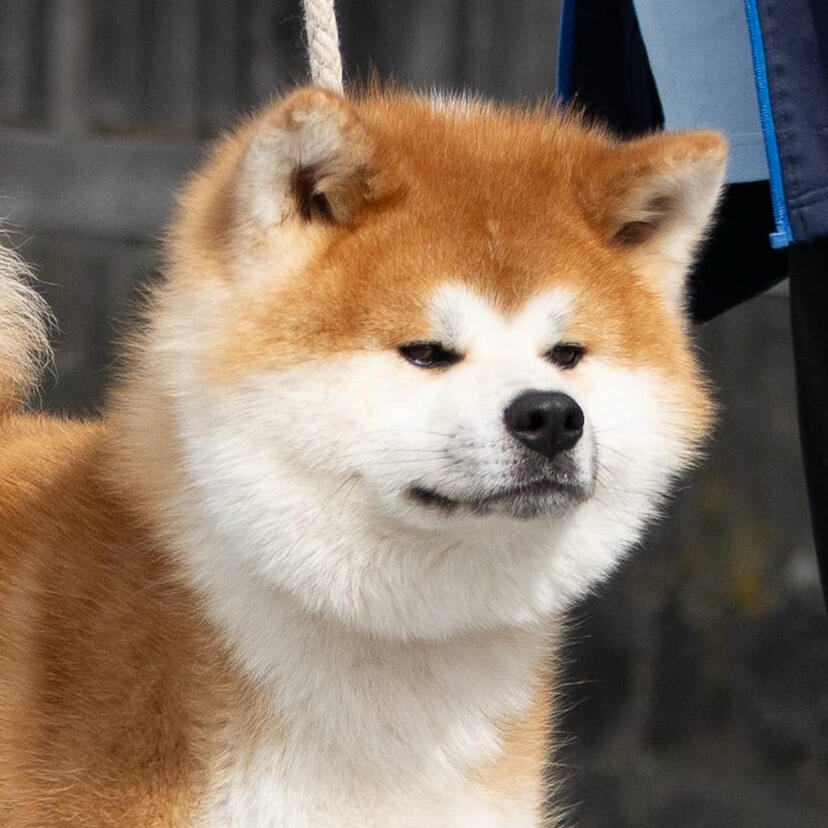
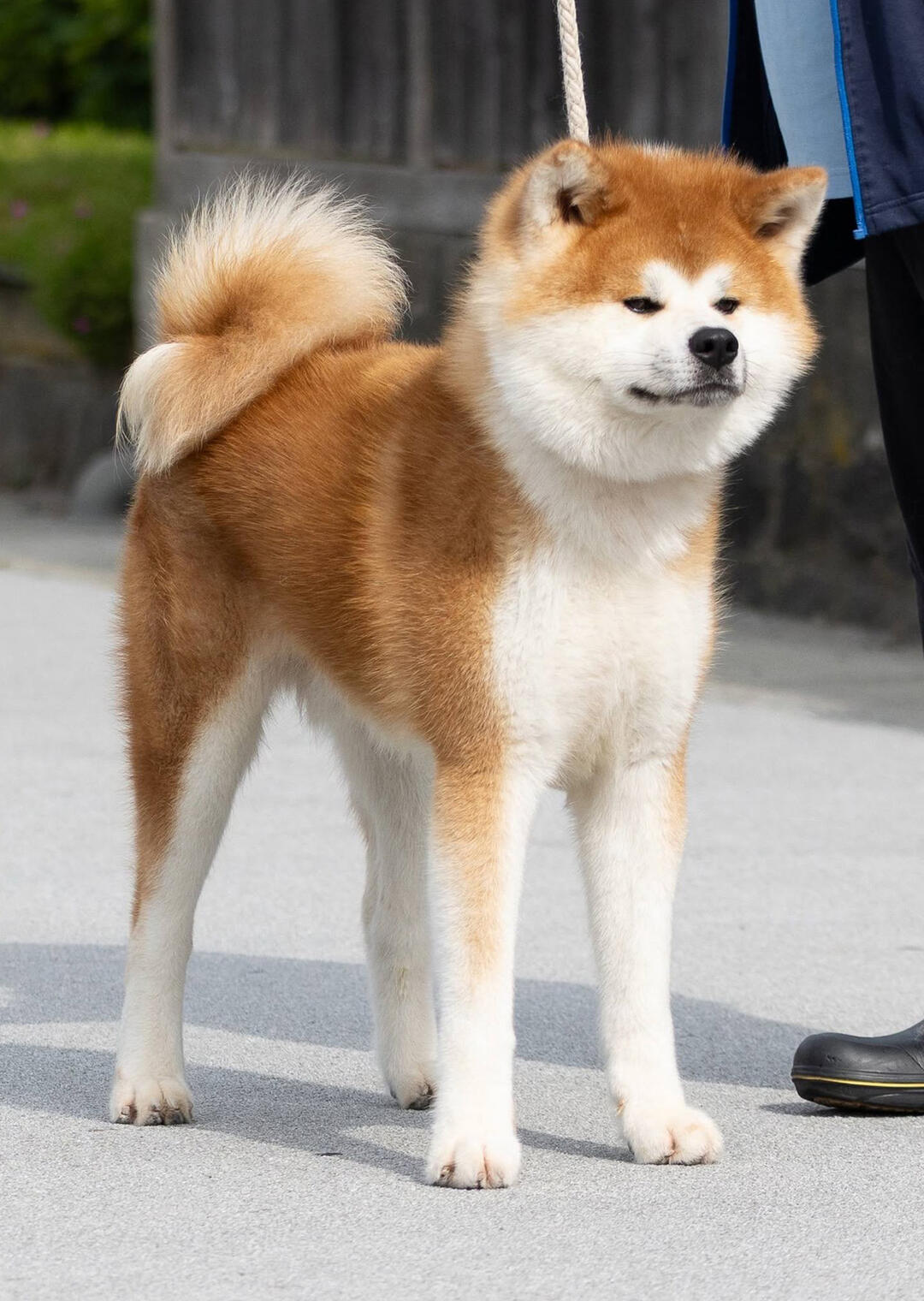
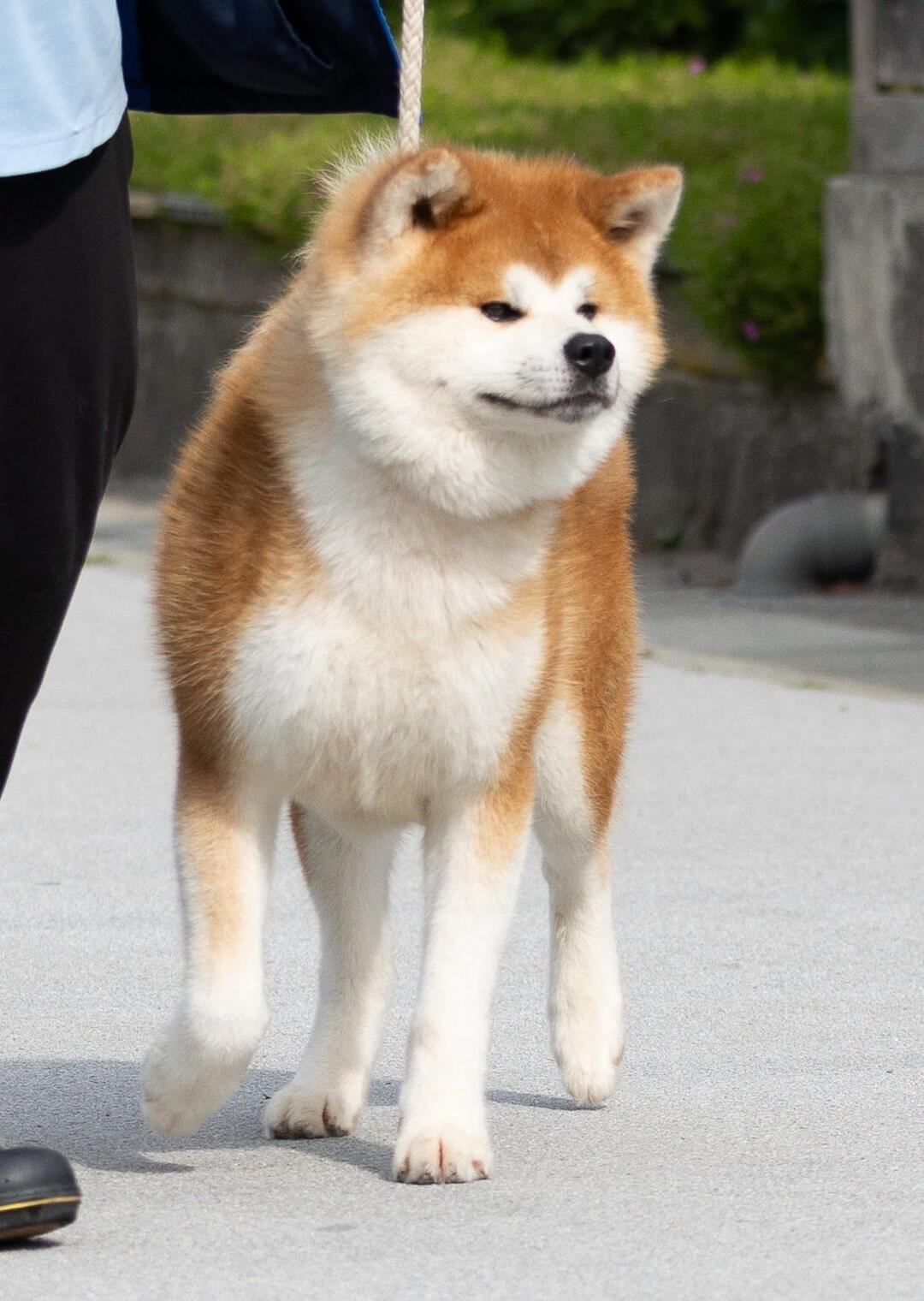
Awa Taishou Go Jr Matsunaga
安房大将号Jr.マツナガ
Awa Taishou was born in Japan and is the newest addition in our kennel. We feel very fortunate to introduce this incredible male to our breeding program! Awa Taishou is confident, stable, and extremely affectionate to his people. He has done well in AKIHO already, placing 4th place in a strong Soken class at at the 152nd Honbuten exhibition in Odate, Akita.
Pedigree
You can find Awa Taishou's full pedigree here.
https://www.akitapedigree.com/details.php?id=118728
Health Testing
OFA results will be listed below as health testing is done.
| Health Testing | Results | Date assigned |
|---|---|---|
| Hips | ---- | ---- |
| Eyes | ---- | ---- |
| Thyroid | ---- | ---- |
| Amelogenesis Imperfecta | Clear | 06/21/2026 |
| CHIC Number | ---- | ---- |